Source home commercial strength training machine for Gyms, Homes, and Communities
Compare 30 home commercial strength training machine options from verified suppliers. These units support strength training, body building, and fitness sports for gyms, homes, and community centers with customizable features and ISO certifications.
Key considerations
Products List


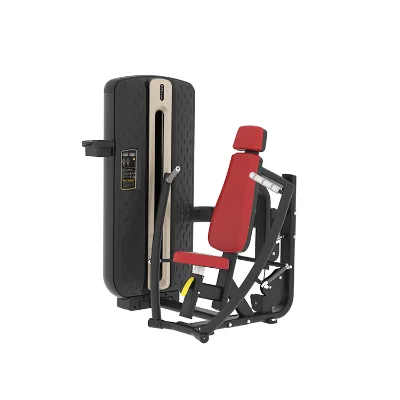
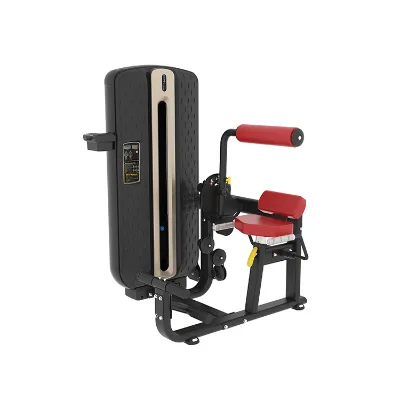
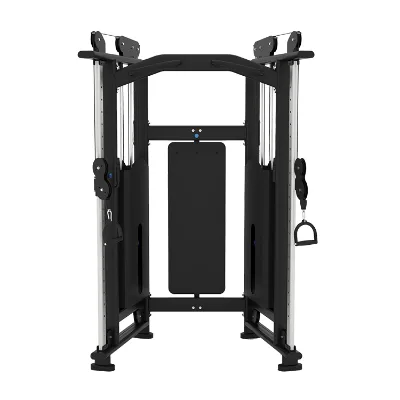


Comprehensive Sourcing Guide
Strategic Sourcing Guide for Home Commercial Strength Training Machines
The global market for strength training equipment has evolved to accommodate a hybrid demand where facilities require machines that function equally well in private residential gyms and high-volume commercial centers. Buyers sourcing a "home commercial strength training machine" must navigate a complex landscape of technical specifications, regulatory compliance, and logistical constraints. This guide provides a disciplined framework for evaluating potential suppliers and products, relying strictly on observed market data and verified product attributes to ensure procurement decisions are grounded in factual evidence rather than marketing assertions.
Technical Specifications and Structural Integrity
When evaluating strength training machines, the primary focus must be on the physical specifications that dictate durability and user safety. The market data indicates a significant variance in product dimensions and weight capacities, which directly correlates to the intended application environment. For instance, specific models observed in the commercial sector, such as the COOLBUILD-86 Functional Trainer, exhibit substantial mass, with a recorded weight of 300kg. In contrast, other units like the CBL23 Abdominal Trainer are listed at 270kg. These weight figures are not merely shipping metrics; they are proxies for the structural robustness of the frame, which is critical for withstanding the dynamic loads generated during high-intensity strength training.
The material composition is another non-negotiable specification. The predominant material observed across high-end units is steel, a choice that ensures longevity and resistance to wear in both home and gymnasium settings. The tubing specifications provide further insight into structural rigidity; one observed model features a tube dimension of 75753mm. This specific gauge suggests a heavy-duty construction designed to minimize flex during heavy lifting. Buyers must verify that the steel used meets specific tensile strength requirements, as the "Commercial" designation implies a usage frequency that would quickly degrade lighter, residential-grade materials.
Furthermore, the physical footprint of the equipment is a critical logistical consideration. The standard dimensions for these machines vary widely, ranging from compact units like the 137123145cm Abdominal Trainer to expansive functional trainers measuring 269022352340mm. The latter dimension, often associated with multi-station functional trainers, requires significant floor space and ceiling clearance. When sourcing for a specific location, buyers must cross-reference the product's standard size against their available floor plan. The "Folded" attribute observed in some listings as "Unfolded" suggests that certain units are designed as permanent installations rather than space-saving equipment, a distinction that must be confirmed before purchase to avoid installation failures.
Compliance and Certification Verification
In the B2B procurement of fitness equipment, certification serves as the primary indicator of safety and regulatory compliance. The supply chain for strength training machines often involves products originating from specific manufacturing hubs, such as Dezhou and Hunan in China. While these locations are known for industrial production, the destination market's regulatory requirements dictate the necessary certifications. The observed data highlights a mix of certifications, including ISO and CE.
The ISO certification is frequently linked to specific exercise parts, such as arm, chest, and leg training stations. This suggests that the certification may be product-specific or tied to the manufacturing process of individual components rather than a blanket approval for the entire facility. Buyers must request the specific certificate number and verify its validity with the issuing body to ensure it covers the exact model being purchased. Similarly, the CE marking is a mandatory requirement for products entering the European market, indicating conformity with health, safety, and environmental protection standards. However, the presence of a CE mark in a listing does not automatically guarantee compliance with local building codes or fire safety regulations in the buyer's specific jurisdiction.
It is crucial to distinguish between "Commercial" and "Home" certifications. While many machines are marketed as suitable for both, the rigorous testing required for commercial use often exceeds residential standards. The observed "Commercial Use" application attribute implies that the machine has been designed to withstand higher usage cycles. Buyers should explicitly ask suppliers for test reports that validate the machine's ability to handle the specific load cycles expected in a commercial environment. Relying solely on a generic "ISO" or "CE" label without verifying the scope of the certification can lead to liability issues if an accident occurs due to equipment failure.
Cost Drivers and Pricing Dynamics
The pricing of home commercial strength training machines is influenced by a complex interplay of factors, including material costs, manufacturing complexity, and shipping logistics. The observed price range in the market spans from $104 to $2,999.99 USD. This wide disparity indicates that the market includes both entry-level units and high-end, multi-functional systems. The lower end of the spectrum may correspond to single-station trainers or smaller accessories, while the upper end likely reflects comprehensive functional trainers with multiple exercise stations and advanced features.
Material costs play a significant role in pricing. The use of heavy-gauge steel, as seen in the 75753mm tube specifications, inherently increases the cost compared to lighter alloys or composite materials. Additionally, the weight of the unit affects shipping costs. For example, a single gross weight of 550kg for a specific model (Z2) will incur significantly higher freight charges than a 265kg unit. Buyers must calculate the "landed cost," which includes the product price, freight, insurance, and customs duties, rather than focusing solely on the unit price.
The Minimum Order Quantity (MOQ) is another critical cost driver. The observed MOQ range spans from 1 to 121 units. An MOQ of 1 allows for single-unit procurement, which is ideal for small home gyms or pilot commercial installations. However, higher MOQs often unlock volume discounts. Buyers should negotiate based on their total projected volume, even if the initial order is small, to secure better pricing tiers. The "Customization" attribute being available suggests that buyers can negotiate specific features, such as color or branding, which may impact the final price. Custom colors and OEM branding are often premium options that add to the base cost but can be essential for commercial branding consistency.
Typical Applications and Functional Versatility
The versatility of strength training machines is a key selling point for buyers seeking equipment that serves multiple user groups. The observed product attributes indicate a strong alignment with "Strength Training Body Building" and "Fitness Sport" applications. The "Unisex" gender specification and "Adult" age group designation confirm that these machines are designed for a broad demographic, making them suitable for public gyms, community centers, and private home gyms alike.
The functional capabilities of these machines are diverse. The "Functional Trainer" models, such as the COOLBUILD-86, offer a wide range of movements, including high-pull, low-pull, and inverted ped exercises. These multi-station designs allow users to target various muscle groups, including arms, chest, and legs, without needing multiple separate pieces of equipment. This consolidation is particularly valuable for commercial facilities where floor space is at a premium. The "Abdominal Trainer" and "Leg" specific models provide targeted training options, which are essential for specialized fitness programs.
The "Appliance" attribute lists "Home," "Gymnasium," and "Community" as primary applications. This triad suggests that the machines are engineered to bridge the gap between residential durability and commercial endurance. For a home user, the "Commercial" designation implies a machine that will not degrade quickly under frequent use. For a commercial operator, the "Home" aspect suggests that the machine is accessible and user-friendly for a wide range of fitness levels. The "Using" attribute of "Fitness Sport" further reinforces the machine's suitability for athletic training and rehabilitation programs.
Supplier Evaluation and Origin Verification
Selecting the right supplier is as critical as selecting the right product. The observed data points to specific origins, primarily China, with manufacturing hubs in Dezhou and Hunan. While these regions are established centers for fitness equipment manufacturing, buyers must conduct thorough due diligence to ensure quality consistency. The "Shipping" attribute of "Fob" (Free on Board) indicates that the supplier's responsibility ends once the goods are loaded onto the vessel. This means the buyer is responsible for arranging freight, insurance, and customs clearance from the port of origin.
Buyers should evaluate suppliers based on their ability to provide detailed technical documentation and after-sales support. The "Warranty" attribute of "3 Years" is a significant indicator of supplier confidence in their product quality. However, the terms of this warranty must be clearly defined. Does it cover labor, parts, or both? What is the process for claiming warranty service, especially for international shipments? The "Product Name" and "Product Model" (e.g., CBP002, 1001) should be used as unique identifiers to track specific batches and ensure consistency in future orders.
The "Customization" availability is another key evaluation criterion. Suppliers that offer OEM options and customized colors allow buyers to align the equipment with their brand identity. However, customization can extend lead times and increase costs. Buyers should verify the supplier's capacity to handle custom orders without compromising on quality or delivery schedules. The "HS" code of 9506919000 is a standard classification for fitness equipment, which buyers can use to verify import duties and regulatory requirements in their destination country.
Quality Control and Long-Term Procurement
Ensuring the long-term reliability of strength training machines requires a robust quality control (QC) strategy. The "Wooden Box" packing observed in several listings suggests that the supplier prioritizes protection during transit, which is essential for heavy steel equipment. However, buyers should also consider the internal packaging and the condition of the machine upon arrival. The "Single Package Size" and "Single Gross Weight" data points are vital for planning logistics and warehouse space. For instance, a package size of 235X127X120 Cm and a gross weight of 265kg require specific handling equipment and storage arrangements.
Long-term procurement considerations include the availability of spare parts and the ease of maintenance. The "Feature" of "Strengthen Training" and the "Function" of "Strength Training" imply that the machine will undergo significant stress over time. Buyers should inquire about the availability of replacement parts such as cables, pulleys, and padding. The "3 Years" warranty is a starting point, but a proactive maintenance plan is essential for extending the lifespan of the equipment. Regular inspections of the steel frame, tubing, and moving parts can prevent minor issues from becoming major failures.
Finally, buyers should consider the scalability of their procurement. If the initial order is successful, the supplier should be able to replicate the same quality and specifications for future orders. The "Customized Color" and "OEM" options allow for brand consistency across multiple locations. By maintaining a close relationship with the supplier and establishing clear communication channels, buyers can ensure a steady supply of high-quality equipment that meets the evolving needs of their fitness facilities. The combination of verified specifications, robust certifications, and reliable supplier performance forms the foundation of a successful procurement strategy for home commercial strength training machines.
FAQs
What certifications are available for these strength training machines?
Available certifications include ISO and CE marks, which often correspond to specific exercise parts like arms, chest, or legs. Buyers should verify the specific certificate number and scope to ensure it covers the exact model purchased for safety compliance.
Which materials are used to construct these commercial units?
The primary material observed across these units is steel, ensuring durability for both home and gymnasium environments. Some models feature heavy-gauge tubing, such as 75*75*3mm dimensions, to minimize flex during high-intensity strength training sessions.
Can I customize the color and branding of the equipment?
Yes, customization is available for colors and OEM branding on these machines. This option allows buyers to align the equipment with their brand identity, though it may impact the final price and potentially extend lead times for production.
What is the typical weight capacity of these functional trainers?
Observed weights for these units range from 270kg to 550kg, reflecting their structural robustness. For example, the COOLBUILD-86 Functional Trainer weighs 300kg, while other models like the Z2 reach 550kg, indicating heavy-duty construction for commercial use.
How are these machines packaged for international shipping?
Machines are typically packed in wooden boxes to protect the heavy steel frames during transit. Buyers should note specific package dimensions and gross weights, such as 235X127X120 Cm and 265kg, to plan warehouse space and handling logistics effectively.
What warranty terms are offered for these fitness machines?
A standard warranty period of 3 years is offered for these products, indicating supplier confidence in quality. Buyers must clarify if this covers labor, parts, or both, and understand the process for claiming service, especially for international shipments.
Which locations are the primary manufacturing origins for these units?
Products originate from specific manufacturing hubs in China, including Dezhou and Hunan. These locations are established centers for fitness equipment, but buyers should verify the specific origin for each model to ensure quality consistency and accurate logistics planning.